

A heat pump is one of the most efficient and versatile systems for maintaining year-round comfort in your home. It works tirelessly, providing warmth in the winter and cool relief during the summer. But when it stops working correctly, that reliable comfort can quickly turn into a source of stress. A malfunctioning heat pump can lead to uncomfortable indoor temperatures, rising energy bills, and the risk of more significant, costly damage. Understanding the signs of trouble and knowing how to respond is crucial for any homeowner.
This comprehensive guide is designed to walk you through the world of heat pump repair. We will explore the common issues that can plague these systems, offer practical troubleshooting tips you can perform yourself, and explain why professional intervention is often the wisest choice. By learning to identify problems early and understanding the repair process, you can ensure your system operates efficiently for years to come, saving you money and keeping your home comfortable in every season.
Why Timely Heat Pump Repair is Essential
Ignoring a problem with your heat pump is a gamble you are likely to lose. What starts as a minor issue, like a strange noise or a slight dip in performance, can quickly escalate into a catastrophic failure if left unaddressed. Procrastinating on repairs not only compromises your immediate comfort but also has significant long-term consequences for your system and your wallet.
One of the most compelling reasons for timely repair is preventing further damage. A heat pump is an interconnected system where one failing component can place immense strain on others. For instance, a clogged air filter forces the blower motor to work harder, which can lead to overheating and premature burnout. Similarly, a refrigerant leak makes the compressor overwork to achieve the desired temperature, risking failure of the most expensive component in your entire system. Addressing the initial problem promptly protects these vital parts from a domino effect of damage.
Energy efficiency is another critical factor. A heat pump is celebrated for its ability to move heat rather than create it, making it highly efficient. However, any malfunction, no matter how small, compromises this efficiency. A system struggling with low refrigerant, a dirty coil, or a faulty sensor will need to run longer and harder to heat or cool your home. This directly translates to higher electricity consumption and noticeably larger utility bills. Investing in a timely repair pays for itself by restoring your unit’s peak efficiency and lowering your monthly energy costs.
Finally, consider the lifespan of your equipment. A well-maintained heat pump can last for 15 years or more. Neglecting necessary repairs accelerates wear and tear, significantly shortening this lifespan. The cost of a few minor repairs over the years is a fraction of the expense of a premature full system replacement. Promptly addressing issues ensures you get the maximum value and service life from your initial investment.
Common Heat Pump Problems and Their Causes
While heat pumps are generally reliable, they are complex machines with many components that can fail over time. Recognizing the symptoms of common problems can help you diagnose an issue and determine the best course of action.
Heat Pump Won’t Turn On
One of the most alarming issues is when the unit refuses to start at all. Several factors can cause this complete shutdown. The first thing to check is the power supply. A tripped circuit breaker or a blown fuse is a common and easily fixable culprit. Your heat pump should have a dedicated breaker in your home’s main electrical panel and often has an outdoor disconnect switch near the exterior unit. Another potential cause is a faulty thermostat. If the thermostat’s batteries are dead or if it has lost its connection to the system, it cannot send the signal to turn on.
Inadequate Heating or Cooling
If your heat pump is running but fails to adequately heat or cool your home, it points to a performance issue. The most frequent cause is restricted airflow. A dirty or clogged air filter is the primary offender, as it prevents air from moving freely through the system. Similarly, outdoor units can become obstructed by leaves, dirt, snow, or overgrown vegetation, which hinders their ability to exchange heat with the outside air. It is crucial to keep the area around your exterior unit clear. This problem could also indicate a more serious issue like a refrigerant leak, which directly impacts the system’s ability to transfer heat.
Constant Cycling or Short Cycling
A heat pump that turns on and off too frequently (short cycling) is a sign of a significant problem. This could be caused by a dirty air filter creating airflow issues, causing the system to overheat and shut down prematurely. An oversized unit for the size of your home can also lead to short cycling, as it will reach the target temperature too quickly and shut off before properly dehumidifying the air. On a more technical level, a faulty thermostat or a malfunctioning control board could be sending incorrect signals to the system, disrupting its normal operational cycle.
Strange Noises During Operation
Your heat pump should operate with a relatively quiet hum. Any new or loud noises are a red flag that something is wrong. A rattling or clanking sound could indicate that a panel has come loose or that debris has entered the outdoor unit. Grinding or squealing noises are more concerning, as they often point to failing motor bearings in the fan or blower. A loud buzzing or humming sound might be caused by an electrical issue, such as a failing capacitor or contactor. These noises should be investigated immediately to prevent further component damage.
The System is Frozen or Iced Over
It is normal for a thin layer of frost to form on the outdoor coils during the winter. Your heat pump has a built-in “defrost mode” to melt this ice periodically. However, if the entire unit becomes encased in a thick block of ice, it signals a malfunction. This can be caused by a problem with the defrost cycle itself, such as a faulty sensor or control board. Other causes include low refrigerant levels, which can cause the coils to get too cold, or poor airflow from a dirty filter or blocked outdoor unit. Operating a heat pump while it is frozen can cause severe damage to the compressor and fan blades.
DIY Troubleshooting Before You Call a Pro
Before picking up the phone to schedule a service call, there are several simple troubleshooting steps you can take. These checks can often resolve minor issues, saving you both time and the cost of a professional visit.
The first and most important step is to check your air filter. A dirty filter is the root cause of many common heat pump problems, including poor heating/cooling, short cycling, and frozen coils. Most filters should be checked monthly and replaced or cleaned every 1-3 months, depending on your home’s air quality.
Next, inspect your thermostat. Ensure it is set to the correct mode (“heat” or “cool”) and that the temperature setting is appropriate. If it is a programmable thermostat, confirm the settings are correct for the time of day. For battery-powered models, replace the batteries if they are low, as this can cause a wide range of communication issues with the HVAC system.
After checking inside, move outside to examine the outdoor unit. Make sure there is at least two feet of clearance around the entire unit. Remove any leaves, grass clippings, snow, or other debris that might be blocking airflow to the coils. Check to ensure that no shrubs or other plants are growing too close to the unit.
Finally, check the power supply. Locate the circuit breaker for your heat pump in your home’s electrical panel. If the breaker has tripped, reset it once. If it trips again immediately, do not reset it again—this indicates a serious electrical problem that requires a professional. Also, check the outdoor disconnect switch, which is usually in a small metal box near the condenser unit, and make sure it is in the “on” position.
When to Call a Professional for Heat Pump Repair
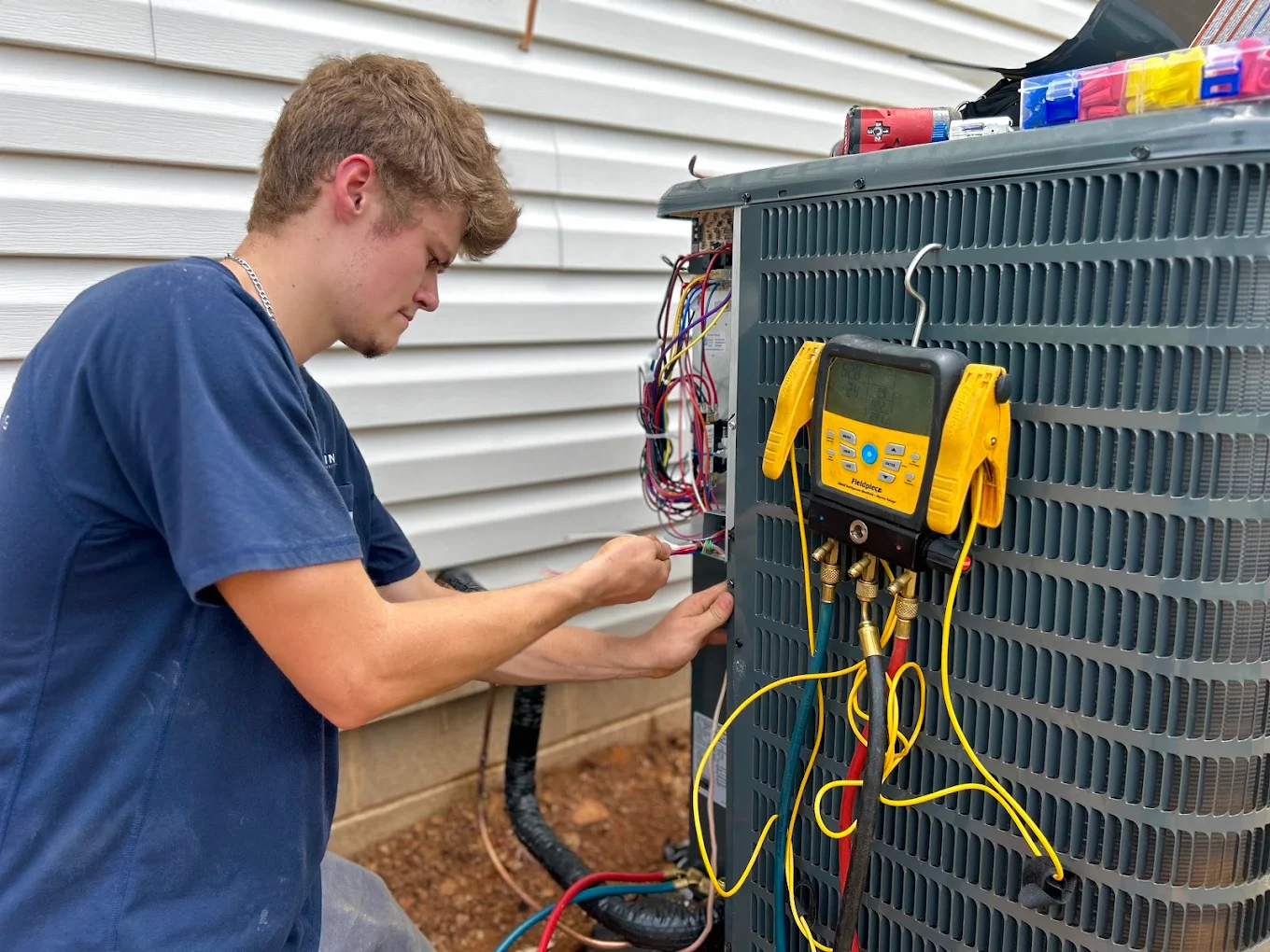
While DIY troubleshooting can solve simple problems, many heat pump issues are complex and require the expertise and specialized tools of a certified HVAC technician. Attempting to fix certain problems yourself can be dangerous and may lead to more extensive damage.
You should always call a professional if you suspect a refrigerant leak. Refrigerant is a controlled substance, and handling it requires EPA certification. Signs of a leak include hissing sounds, frozen coils, or a system that runs constantly but produces lukewarm air. A technician can safely locate the leak, repair it, and recharge the system to the manufacturer’s precise specifications.
Electrical issues are another area best left to the experts. If your circuit breaker repeatedly trips, or if you hear loud buzzing or humming from either the indoor or outdoor unit, it signals a problem with components like capacitors, contactors, or wiring. These components carry high voltage and pose a significant risk of electric shock if handled improperly.
Loud, mechanical noises such as grinding, squealing, or banging warrant an immediate professional call. These sounds typically indicate failing motors or a problem with the compressor. Continuing to run the unit with these symptoms can lead to the complete failure of these expensive parts. A technician can diagnose the source of the noise and replace the worn-out component before it causes a chain reaction of failures.
If your heat pump is encased in ice and does not thaw after you have checked the filter and airflow, you need professional service. This points to a problem with the defrost controls or refrigerant levels that a homeowner cannot safely address. Lastly, if your system simply is not performing well and you have already completed the basic troubleshooting steps, it is time to bring in a professional for a thorough diagnostic inspection.
Conclusion
Your heat pump is a cornerstone of your home’s comfort, providing reliable heating and cooling throughout the year. When it malfunctions, the key to a fast and cost-effective solution is prompt action. By familiarizing yourself with the common signs of trouble—from inadequate performance to strange noises—you can catch problems before they escalate. Simple DIY troubleshooting steps like checking your air filter, thermostat, and power supply can often resolve minor issues and restore your system’s function.
However, it is equally important to recognize when a problem is beyond your scope. Issues involving refrigerant, electrical components, or major mechanical parts require the trained eye and specialized tools of a professional HVAC technician. Calling for expert heat pump repair not only ensures a safe and correct fix but also protects your system’s efficiency, extends its lifespan, and ultimately provides you with peace of mind. Do not let a small issue turn into a major expense; pay attention to your system and invest in timely repairs to keep your home comfortable for many years to come.